
When another child is mean to yours
Name-calling on the playground. A push in line. A “You can’t play with us.” Unkindness from other children is something every child will face, and the first time can be hard for parents too.
Your child needs a simple plan they can remember in the moment.
What helps
- Teach a calm, clear response. Look at them and say, “Stop, please. I don’t like that.” Practice it at home in a strong, calm voice.
- Then walk away. If they don’t stop, walk away and tell a grown-up.
- Make telling safe. Tell your child you always want to know if someone is hurting them, and listen when they tell you.
- Don’t teach revenge. Hitting or yelling back usually makes things worse. A gentle answer cools things down.
- Stay involved. Talk to the teacher or the other parent calmly if it continues.
Try this
Practice together: “What do you do when someone is unkind to you?” (“Calmly say: ‘Stop, please. I don’t like that.’”) “What if they don’t stop?” (“I walk away and tell a grown-up.”) Take turns being the kid who says stop.
Truths to say together
Each of these is a card in the app. Ask the question, and say the answer together until your child can say it on their own.
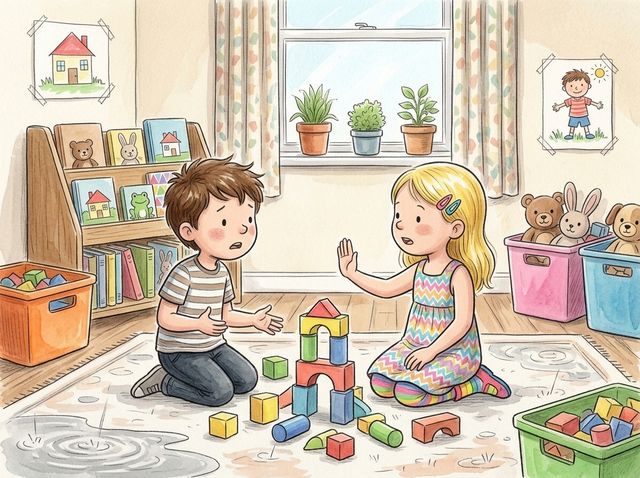
What do you do when someone is unkind to you?
Calmly say: "Stop, please. I don't like that."
Talk about it: Practice it with a strong, calm voice.
If possible, as far as it depends on you, live at peace with everyone.Romans 12:18
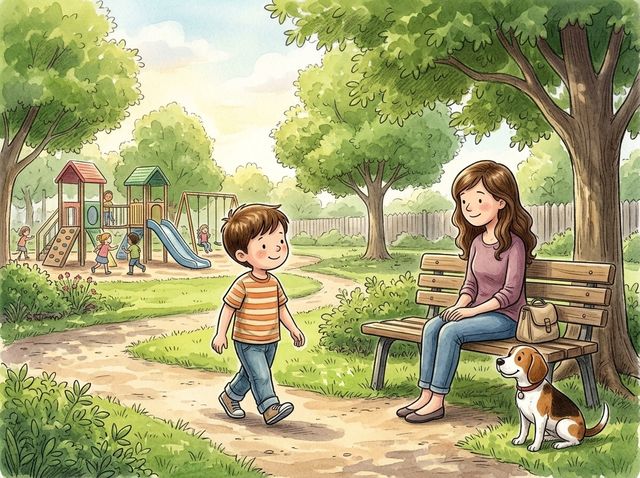
What if they don't stop?
I walk away and tell a grown-up.
Talk about it: Which grown-ups can you tell?
A sensible person sees danger and takes cover, but the inexperienced keep going and are punished.Proverbs 22:3
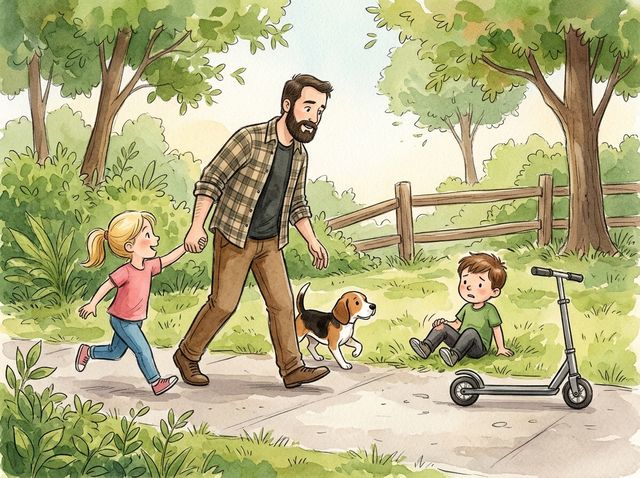
When should you tell a grown-up?
When someone is getting hurt or needs help!
Talk about it: What's the difference between getting someone in trouble and getting someone help?
Speak up for those who have no voice, for the justice of all who are dispossessed.Proverbs 31:8
When to get more help
If your child is being hurt, threatened, or targeted again and again, that’s bullying. Talk to the school right away, keep notes of what happens, and keep your child’s doctor in the loop if it’s affecting their sleep, appetite or mood.