
When your child gets angry
Slammed doors, clenched fists, “I hate you!” Anger can be scary to watch in a little person. Anger itself isn’t the problem. It’s a feeling God gave us, and it often tells us something matters. The problem is when anger takes over.
Children don’t need to be told never to feel angry. They need to learn that feelings don’t get to be the boss.
What helps
- Name it. “You’re really angry that your tower fell.” Naming a feeling helps a child begin to calm it.
- Set a clear line. “You can be angry. You may not hit.” Feelings are allowed; hurting people and things isn’t.
- Teach a calm-down plan. Stop, breathe, use words. Practice it when they’re calm so they can use it when they’re not.
- Answer gently. A loud parent makes a loud child louder. A gentle answer cools things down.
- Talk about it later. Once they’re calm, ask what made them angry and what they could do next time.
Try this
When things are calm, ask, “Are your feelings bad?” and answer together, “No! God gave me feelings, but they don’t get to be the boss.” Then practice the big breath together.
Truths to say together
Each of these is a card in the app. Ask the question, and say the answer together until your child can say it on their own.
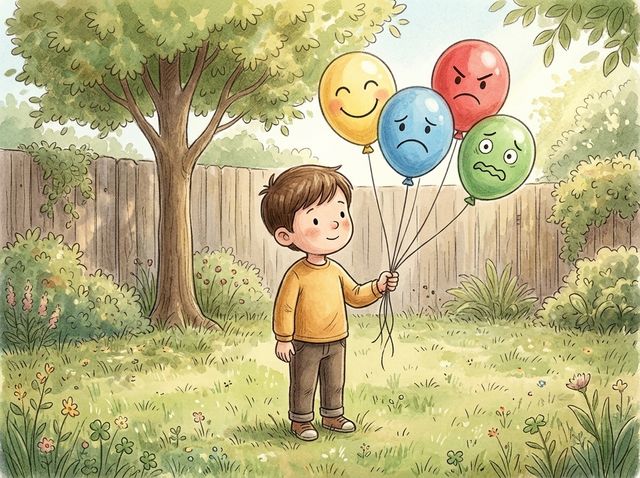
Are your feelings bad?
No! God gave me feelings, but they don't get to be the boss.
Talk about it: Which feeling is hardest for you to be the boss of?
A person who does not control his temper is like a city whose wall is broken down.Proverbs 25:28

What should you do when you have big feelings?
Stop, take a big breath, and use my words.
Talk about it: Show me your big breath: smell the flower, blow out the candle.
My dear brothers and sisters, understand this: Everyone should be quick to listen, slow to speak, and slow to anger.James 1:19
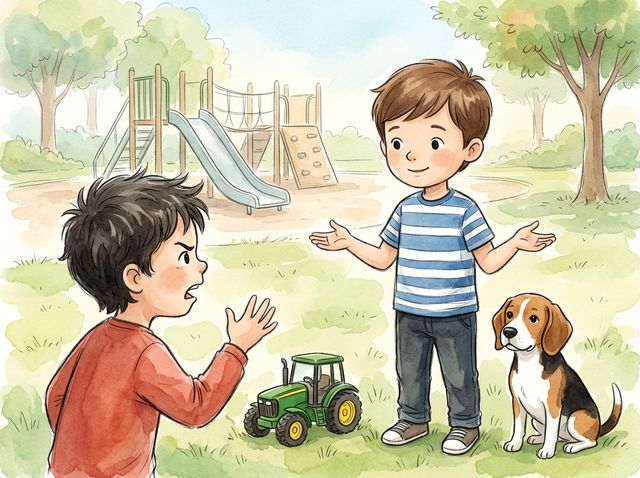
Do we hit or yell back?
No. A gentle answer cools things down.
Talk about it: What gentle thing could you say instead?
A gentle answer turns away anger, but a harsh word stirs up wrath.Proverbs 15:1
When to get more help
If your child’s anger often leads to hurting others or themselves, or seems much stronger than other kids their age, talk with your pediatrician.